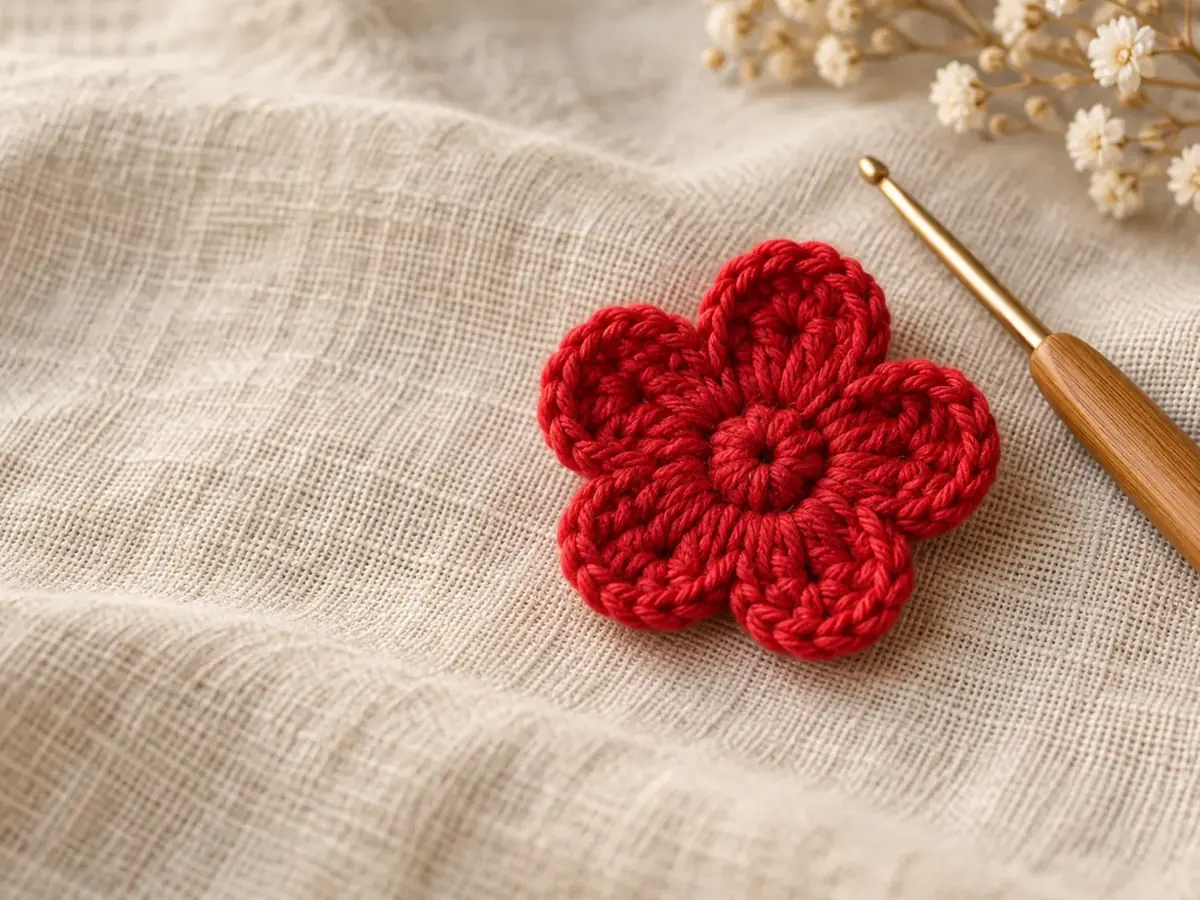
Yarnumi Quick Start
- Skill level: Beginner-friendly starting point; confirm against the source pattern
- Time: One short practice session, then repeat as needed
- Finished result: Depends on yarn, hook and tension
- Primary topic: safety eyes sizes
- Terms: US crochet terms
This Yarnumi guide explains safety eyes size chart for amigurumi projects in practical terms. Start with the label, then test how the yarn or hook behaves with your stitch pattern. The goal is a predictable fabric and a project you can finish, not a universal product ranking. Use the checks below before you commit to a full piece.
What you need
- The yarn or hook named in your pattern or project brief
- A compatible hook or yarn for a small swatch
- A ruler or tape measure for fabric checks
- Scissors and a note of your tension
Yarnumi Skill Map
- Read a yarn or tool label
- Compare fabric, drape and stitch visibility
- Make a small test before committing to the project
Work through the guide
01. Read the label before choosing
Start with the information you can verify: fibre, weight, ply or hook size, depending on the topic. Write down the label wording instead of translating it into a different system too early. The pattern’s terminology and the yarn’s actual behaviour should agree before you buy more.
Make check: The key label information is visible and matches the project brief.
If it looks wrong: If the label is incomplete, pause and mark the specification as unverified.
02. Test a small fabric
Work a small sample with safety eyes sizes in the stitch you expect to use. Look at height, drape, firmness and how clearly the stitches show. A sample gives you more useful information than a generic claim that one option is always best.
Make check: The fabric has the amount of structure and stretch the project needs.
If it looks wrong: If the fabric is too loose or dense, change one variable at a time and record it.
03. Match the choice to the finished use
A flower centre, stuffed shape, scarf edge and bag handle do not need identical fabric. Choose for the result you want, then confirm that the yarn or hook can produce that result with your tension.
Make check: You can explain why this choice fits the project, not just the label.
If it looks wrong: If you cannot name the intended result, return to the project brief before purchasing.
04. Record a repeatable setup
Keep the yarn, hook, stitch and tension notes together. This makes it easier to replace a colour or repeat the project later without guessing.
Make check: Your notes are sufficient for another small test.
If it looks wrong: If the result changes, compare the notes before changing the pattern.
Yarnumi Make Check
- The work can be counted or compared before the next section.
- The shape, tension or material choice matches the intended use.
- You have recorded the setup so the result can be repeated.
Yarnumi Fix Box
- The result changes between repeats → keep the yarn, hook and tension constant for one test.
- The count does not match → return to the last reliable point and find the earliest missing or extra loop.
- The shape looks wrong → check direction, turning and placement before pulling tighter.
- A product detail is unclear → mark it as unknown and verify the original source.
Yarnumi Video Companion
Use a verified Yarnumi lesson as the movement reference when one is attached. This draft adds a written decision path and checkpoints; it does not claim a specific video, transcript or product unless the source is verified.
FAQ
Do I need the exact option named in the guide?
Not always. Match the project requirement first, then test a nearby option on a small sample. Record any change in fabric or size.
How do I compare two choices fairly?
Keep the stitch, hook and tension as consistent as possible. Change one variable at a time so the difference is visible.
What should I do when the label is unclear?
Treat the missing specification as unknown and confirm it from the original listing, packaging or source before making a large purchase.
Keep learning
- Learn Crochet: Yarnumi skill hub
- Browse crochet basics
- Browse flower tutorials
- Choose yarn and hook size
Yarnumi Source Note
This Yarnumi article follows the Yarnumi editorial template. Linked sources, media, product details and exact measurements are included only when verified.
Topic ID: G72 · Primary keyword: safety eyes sizes · Last content review: 2026-10-18.
Editorial status: Published · Last content review 2026-10-18.
See a finished character example
Use the Fruit Bunny Crochet Keyring as a reference for face placement, feature spacing and the finished scale of a small character.